
|
|
|
|
|
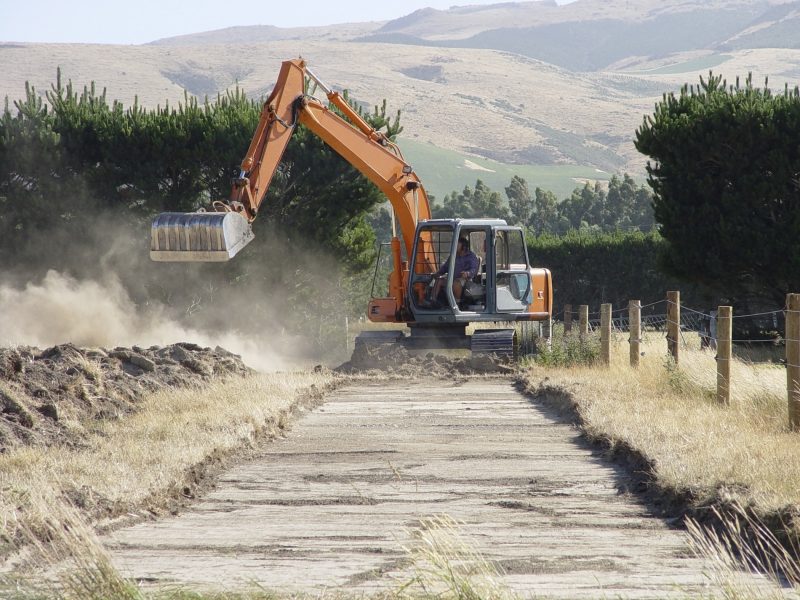
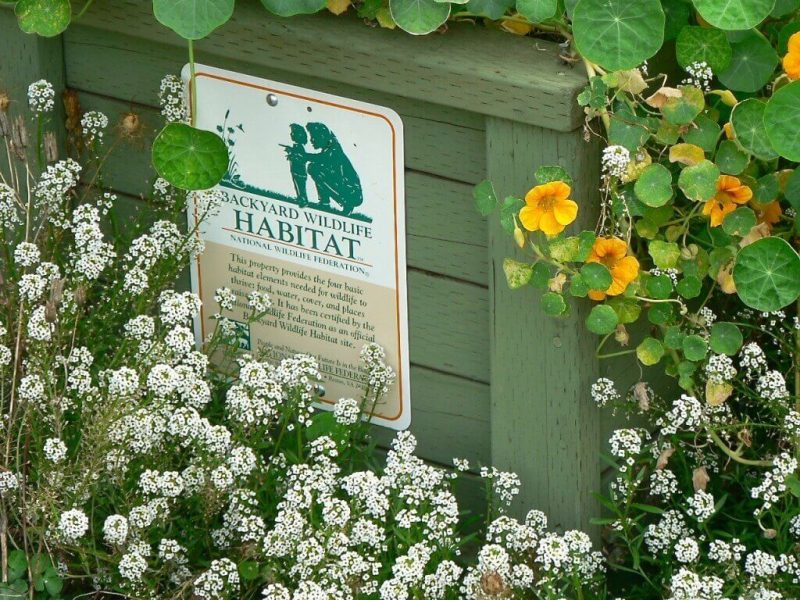
why bother?Why share our space with wildlife? Because urbanization destroys their habitat. Suddenly homeless, they flee to a new, often unsuitable, place. For many, it's a matter of life or death as they face the challenges of the unfamiliar. By giving back some of the space that was taken from them, we do the morally right thing for wildlife, and help the environment, too. Read more...
|
|
|
|
|
|
|
 |
|
 |
|
 |
Spring's hungry birds
The cheery spring songs of birds may be disguising hunger pangs. Last summer's harvest of seeds and berries were consumed over winter, and a new crop is not yet here. Read more...
|
|
Procyon lotor what?
Notice how animals often have unpronounceable italicized words next to their name? They seem nonsensical, but they're important. In this article we demystify scientific classification. Read more... |
|
Oh, those pesky squirrels
Some people are convinced that squirrels are smarter than humans. If you've taken on the challenge of keeping these determined, entertaining critters away from your birdfeeders, you may well agree! Read more... |  |
 |
|
 |
|
 |
Do animals have feelings?
Have you ever had the nagging thought that you somehow hurt your dog's "feelings?" You may be right. Scientists are coming to the surprising conclusion that animals, including wild ones, have complex feelings. Read more...
|
|
Rabies: the facts
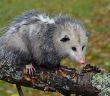
Does this opossum look dangerous? Perhaps rabid? It's mostly for show. Opossums like to look scary; they're actually mild-mannered and almost never have rabies. Fact is, rabies is rare even among susceptible animals. Read more... |
|
Raccoons: feisty, fun, smart
Raccoons must be obsessive-compulsive, what with all that food washing. No, as it turns out, they just like wet food. Their paws are unique: They have thumbs--so batten the hatches, they can open doors! Read more... |
|